2025-02-04
Technology
2 min read
Are Wearables Accurate Enough to Track Complex Lifting Movements?
Wearables are everywhere. But when it comes to heavy squats, Olympic lifts, or deadlifts? Are they legit? Let's break down what they do well and where they fail.
Share:
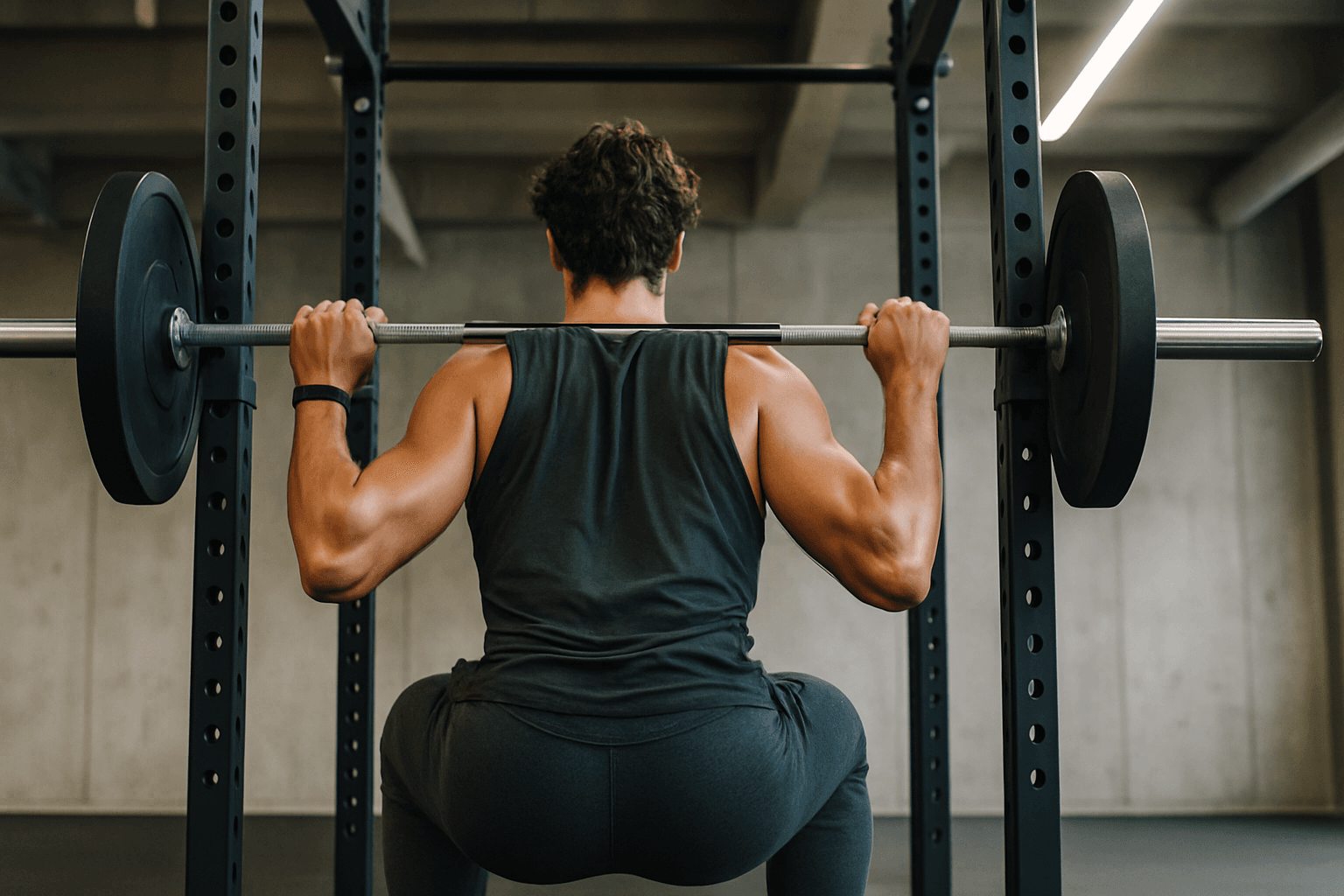
Are Wearables Accurate Enough to Track Complex Lifting Movements?
Wearables are everywhere. But when it comes to heavy squats, Olympic lifts, or deadlifts? Are they legit? Let's break down what they do well—and where they fail.
What Wearables Typically Track Well
- Heart rate zones during cardio or metabolic circuits
- Step counts, distance, stationary exercise metrics
- Some devices auto-detect workouts 10+ mins
Where They Struggle with Strength Workouts
- Calorie burn estimates during lifting are often inaccurate:
"Your Garmin cannot accurately determine how many calories a set of 12 bicep curls burned."
- Logging movements is tedious; often best to auto-track and log manually.
What the Research Says
- The Polar V800 has high validity for vertical jump height versus force platforms (ICC ~0.95), but strength lift metrics are outside scope.
Tips for Trainers Using Wearables
- Use them for correlative data—trend heart rate, sleep, readiness—not accurate per-exercise burn.
- Combine wearable with manual logging: ask clients to record weights, sets, reps in Sheets or app.
- Educate clients: wearables are best for general wellness tracking—not perfect for muscle-building precision.
Conclusion
Wearables are powerful tools—but they're not your muscle's measure. Use them to support your coaching, not replace your coaching. For now, the best tracker is still a notebook, a Sheet, and an eye for detail.